Patrick Hall, D.P.M. - Expert Ankle Conditions Doctor in Baton Rouge
Bunion Treatment and Surgery in Baton Rouge
Dr. Patrick Hall is a board-certified podiatrist and respected expert in bunion diagnosis and treatment. He is certified by the American Board of Podiatric Surgery and co-author of the 4th edition of McGlamry’s Comprehensive Textbook of Foot and Ankle Surgery. Patients across Baton Rouge trust Dr. Hall for both conservative and surgical solutions to relieve bunion pain and restore comfort.
Baton Rouge Bunion FAQs
Many patients are unsure whether their foot pain or toe bump is a bunion or something else. Below, Dr. Hall shares answers to the most common bunion questions to help you understand your condition and find the right treatment path.
What is a bunion?
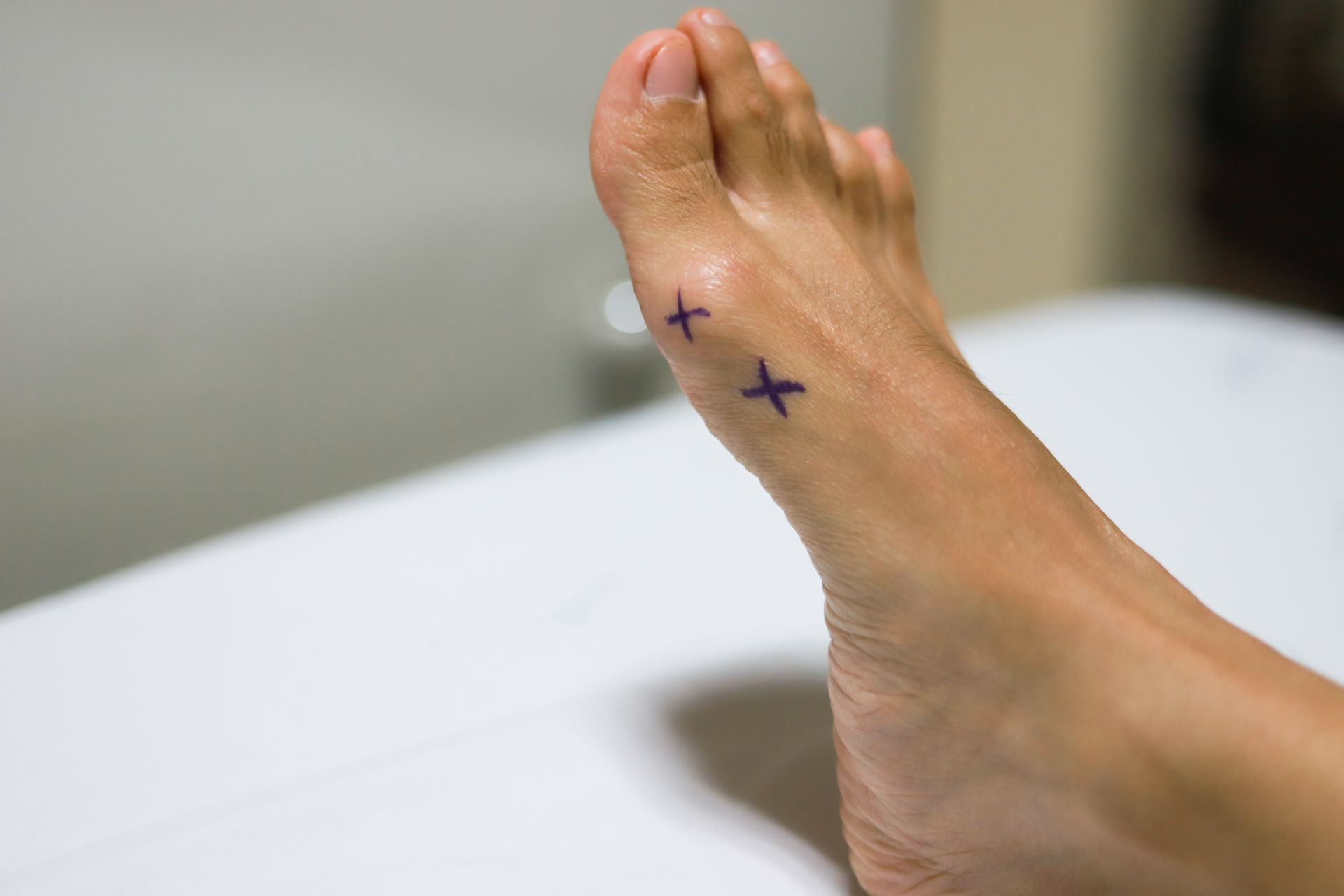
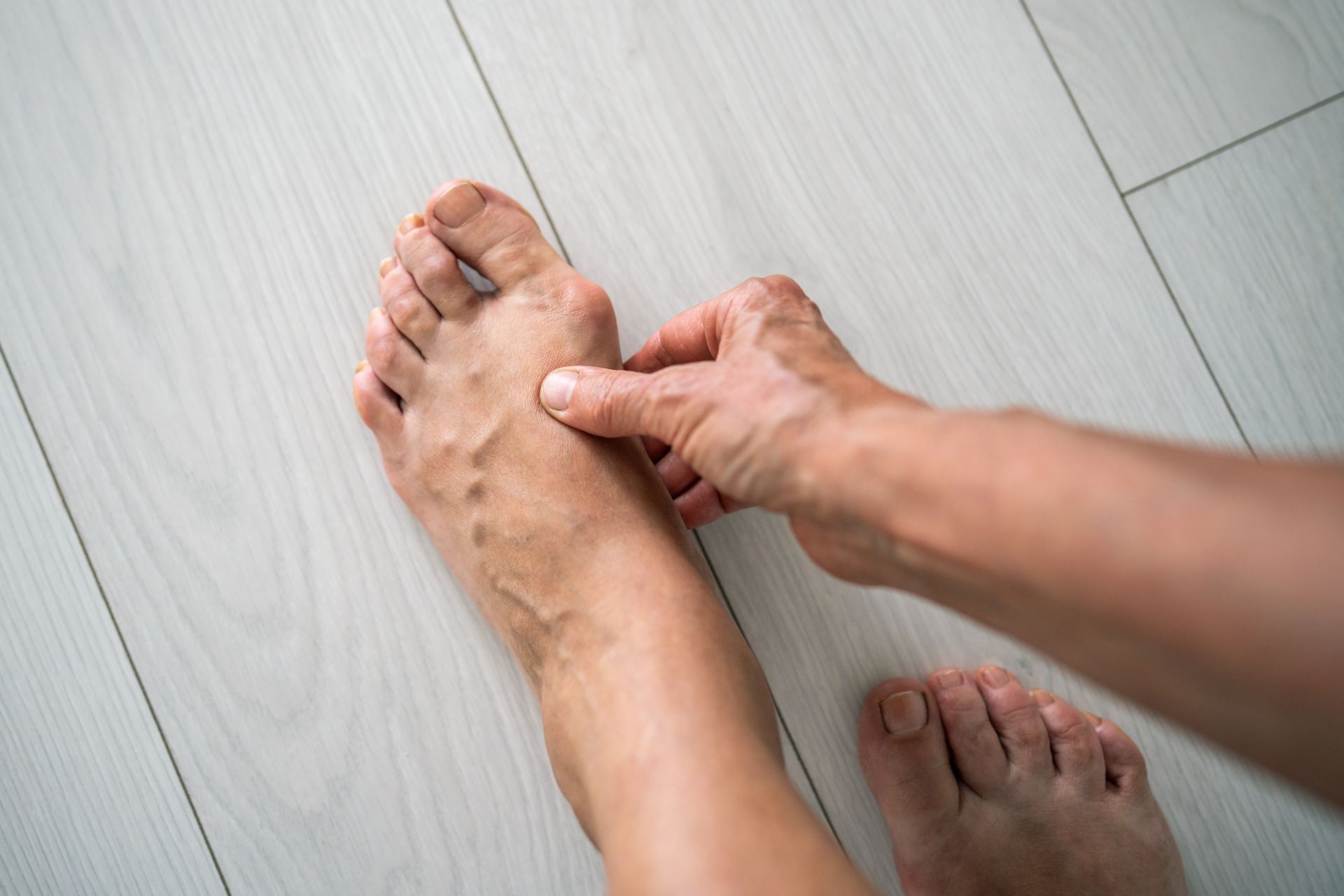
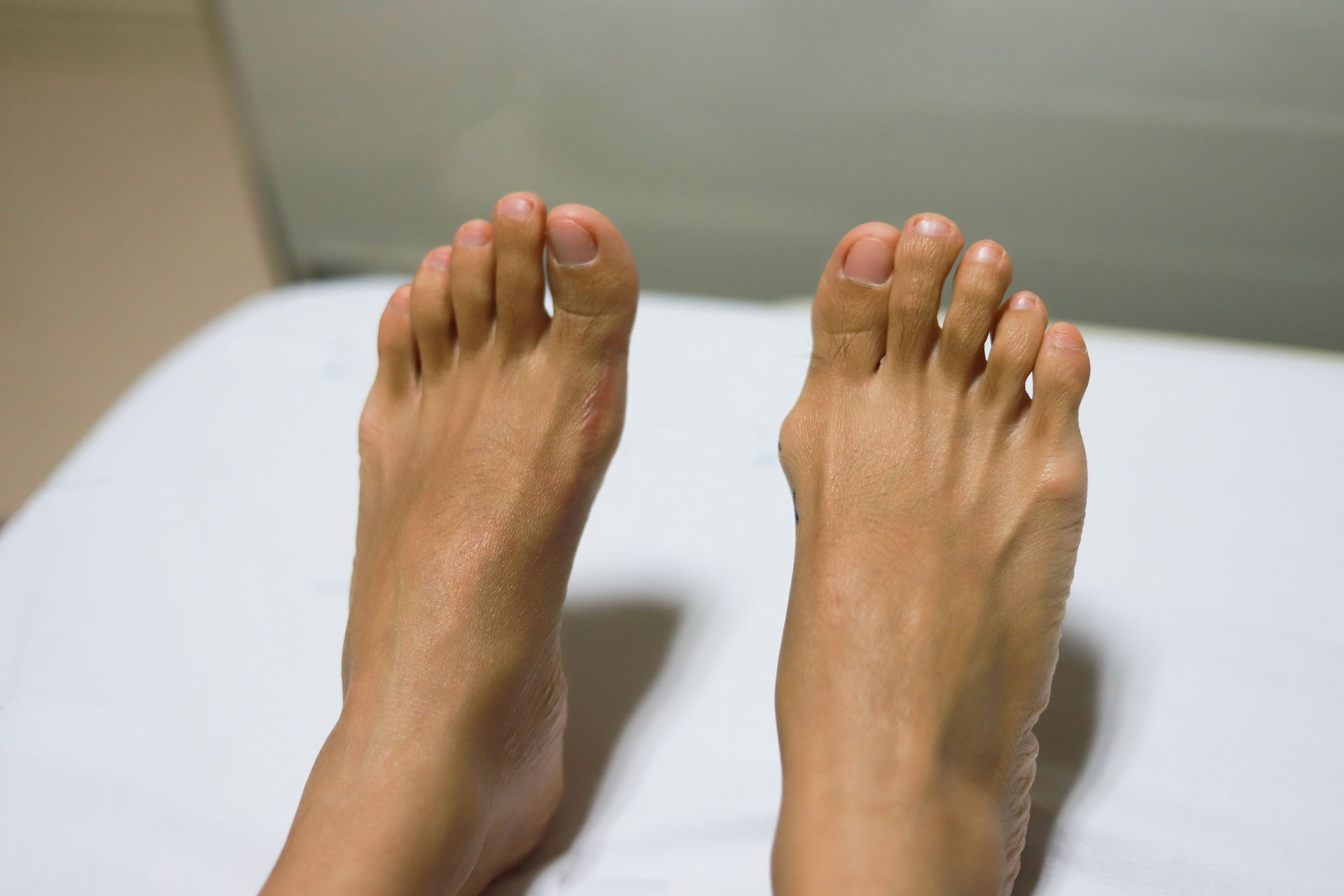
A bunion is a bony bump that forms at the base of the big toe joint. It develops when the big toe shifts toward the second toe, causing joint misalignment. This can lead to pain, swelling, and difficulty wearing shoes.
What are the symptoms of a bunion?
Symptoms include pain near the big toe joint, redness, swelling, burning, and stiffness. Even small bunions can cause significant discomfort, especially in tight shoes.
Do all bunions require surgery?
No. Many bunions can be managed without surgery using wider shoes, ice, anti-inflammatory medication, or orthotics. Pads and cushions may help, but splints that claim to straighten the toe are rarely effective. Surgery is only considered for ongoing pain or limited mobility.
What are the risks of bunion surgery?
Bunion surgery has high success rates with minimal risks. Possible complications include infection, recurrence, stiffness, or numbness around the incision. Titanium screws are often used for stability and rarely need removal.
Will I be able to walk after bunion surgery?
Most patients can walk in a protective boot soon after surgery. Crutches or a knee scooter may be used to reduce pressure. Severe bunions may require several weeks of non-weight-bearing recovery.
What causes a bunion?
Bunions often run in families due to inherited foot types such as flat or flexible feet. Tight or narrow shoes can make symptoms worse but rarely cause bunions alone. They are more common in women and tend to worsen over time.
How do I know if I have a bunion?
A bunion appears as a bump at the base of the big toe, which may lean toward or overlap the second toe. X-rays confirm its size and severity, allowing Dr. Hall to recommend the best treatment plan.
When is bunion surgery recommended?
Surgery is recommended when a bunion causes daily pain, limits activity, or prevents comfortable shoe wear. Dr. Hall aims to relieve pain and restore proper toe alignment when conservative care no longer helps
What does bunion surgery cost?
Most insurance plans cover bunion surgery. Coverage varies by policy, but our office will verify your benefits and explain any out-of-pocket costs before the procedure.
When should I see a podiatrist about my bunion?
If you have foot pain, trouble walking, or a worsening toe deformity, schedule an evaluation. Dr. Hall will examine your bunion, review imaging, and discuss treatment options to relieve pain and restore function.
Still Have a Question?
Our team is happy to help. Contact Hall Podiatry in Baton Rouge to discuss your symptoms or schedule an appointment with Dr. Hall.


Common Bunion Correction Procedures
For patients whose bunions cause significant pain or deformity, surgical correction may be the best option. Dr. Hall performs several proven procedures to restore proper alignment and relieve discomfort.
Minimally Invasive Bunionectomy
Learn More About Bunion Care and Treatment Options